Strategy
B2B Event Marketing: Event Types, from Press Conference to Gala
B2B event marketing from press conference to gala: how to plan an event that builds client relationships and supports sales, with formats, timing and budget.
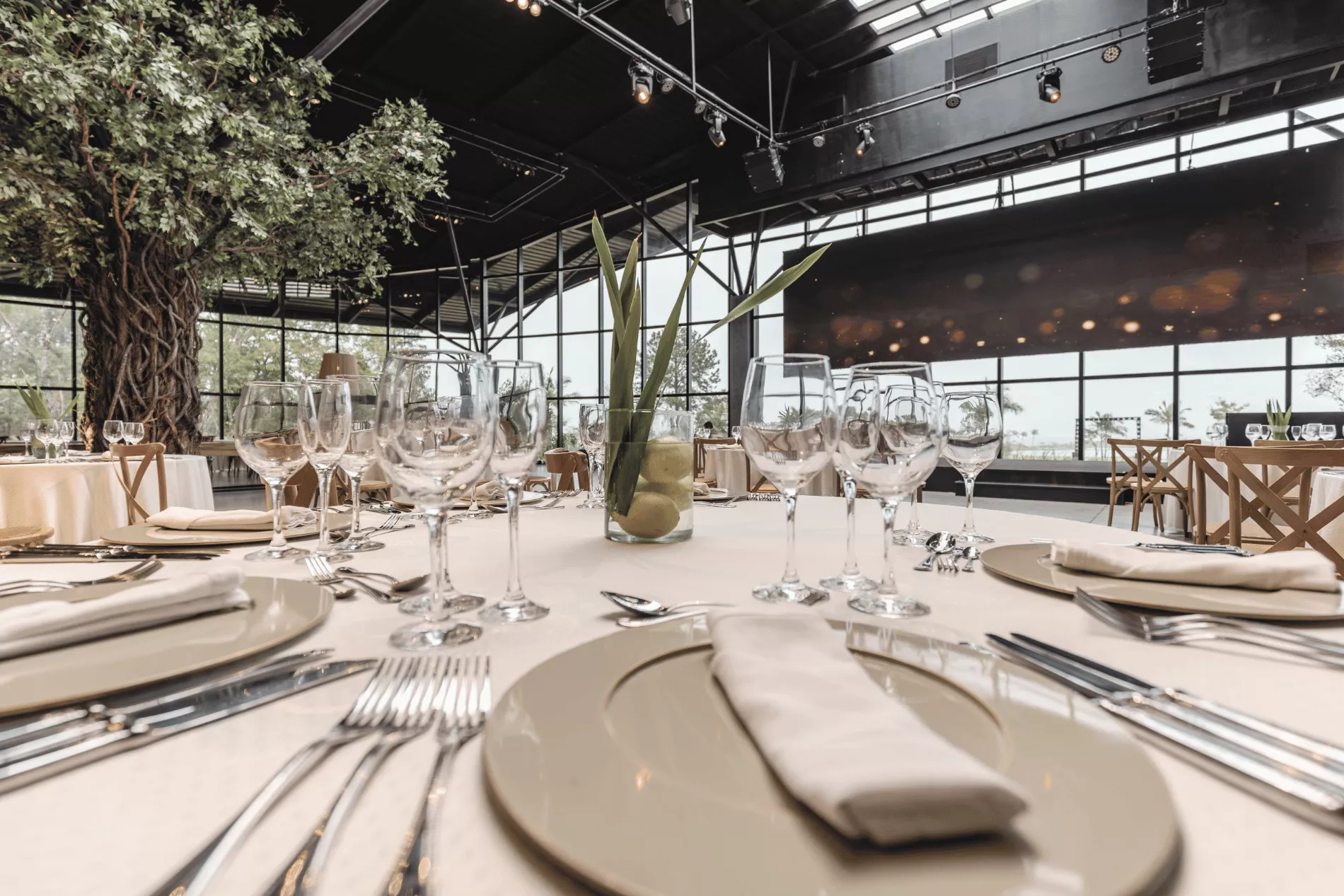
B2B event marketing is one of the marketing tools enjoying a renaissance right now. The more communication moves to inboxes, LinkedIn and video calls, the more weight a well-prepared live meeting carries. An industry conference, a product launch or a gala for the sales department stays in people's memory far longer than yet another newsletter.
Marketing, communications and HR teams usually know very well what they need. They know that in March they want to run a conference for three hundred clients, that a new product should launch with media present, and that the January kick-off is meant to open the year for the entire sales team. The problem lies elsewhere: each of these events is a separate production project with dozens of suppliers, contracts and deadlines, and it lands on people whose calendars are already full.
In this article I walk through the types of B2B events I deliver most often for companies, and show what their preparation looks like behind the scenes: what I pay attention to, where the pitfalls most often appear and how we split the work when a company entrusts me with organizing an event.
What is B2B event marketing?
B2B event marketing is the planning and delivery of events that a company organizes for other companies and their representatives, that is clients, trade partners, distributors and trade media, as well as for its own team. The goal can be to build relationships, an expert image in the industry and brand awareness, including the employer brand.
B2B event marketing differs from consumer (B2C) events mainly in its audience and expectations:
The audience is usually smaller and precisely selected. Invitations go to specific people: clients, trade partners, industry decision makers. A consumer event follows a different logic and different goals, so the two formats cannot be compared directly.
A stronger focus on content. Talks, panel discussions, product presentations and conversations in the corridors are the heart of the event, and the setting should support them, not overshadow them.
Higher standards. Business guests have seen the best conferences in the industry. Delayed registration, a microphone that does not work or chaotic catering will be remembered.
For the purposes of this article, I divide B2B events into two groups:
external events: aimed at the market, clients, partners and media;
internal events: aimed at the company's own team, including sales departments.
Why do B2B companies organize events?
In B2B companies, events are usually part of a broader campaign and work together with other marketing channels: mailing and LinkedIn invite guests and keep in touch after the meeting, content on the website and in trade media builds context, and recordings and photos from the event feed communication for weeks afterwards. The event adds what is hard to achieve remotely: several hours of undivided attention from specific people in one place, a face-to-face conversation and a shared experience that is remembered for longer.
The reasons are often very practical (and pragmatic) as well. For example, a company is introducing a new product and needs a moment around which to build its communication. It is entering a new market or segment and wants to show itself to the industry. It is closing the year and has to present the results to the sales team. It is changing strategy and needs a place where the whole team hears the same thing at the same time. In each of these cases the goal is clear before the first conversation about the format.
In practice, event marketing is most often about:
Relationships with clients and partners. A conversation over coffee during a conference break builds trust that no email campaign can build.
Expert positioning in the industry. Your own stage, invited speakers and panel discussions show that the company has something to say, not just something to sell.
Media visibility. A product launch or press conference is a chance for trade and national news sites to write about the company.
Team motivation and integration. A kick-off, a gala or a team-building trip strengthens organizational culture and engagement, especially in sales departments.
New sales conversations. A well-prepared event brings contacts and meetings that the company can develop over the following months. More and more companies also measure the return on such an investment, but even without elaborate metrics it is clear that a client who spent a whole day with the brand receives the next offer very differently.
The scale of the event marketing market is well illustrated by data from the Poland Convention Bureau. According to the report "The Meetings and Events Industry in Poland 2025", in 2024 Poland hosted 9,201 corporate and incentive events attended by more than 2 million people, as well as 8,784 conferences and congresses with nearly 2.5 million participants. What matters for companies planning their own events: the share of corporate events in the whole meetings market rose to 49 percent, which is 8 percentage points more than the year before. Companies have not only returned to live meetings, but are increasingly organizing them on their own, rather than just attending other people's conferences.
Types of B2B events: external events
Below I describe the formats that B2B companies order most often. For each one I show why a company organizes it and what I look out for during delivery, and for some also the pitfall that appears most often.
Industry conferences and congresses
Organizing an industry conference is a way for a company to build its expert position and gather the most important people from the market in one place. Companies take one of two routes: they either organize their own conference, or take part in someone else's as a partner, exhibitor or speaker. For a conference organized by the company from scratch, the following need the most attention:
Matching the venue to the programme. It is not only the capacity of the plenary room that counts, but also whether the venue has rooms for parallel sessions, space for a partner zone and a networking area where people are not standing on top of each other. I write more about this in my article on organizing an event in a hotel.
Stage and tech. Sound matched to the room's acoustics, an LED screen or projection visible from the last row, a prompter monitor in front of the stage where the speaker sees their slides and a clock, and, for international guests, simultaneous interpretation with booths and receivers.
Registration and accreditation. With several hundred people, reception must process a guest in a dozen or so seconds. Checking the guest list online, several desks and a separate path for speakers and VIPs are standard.
Speaker care. Every speaker receives information about the room, the time of their talk and technical requirements, and before going on stage has a moment to rehearse and check the presentation and microphone.
The rhythm of the day. Coffee breaks and lunch must be planned so that 300 people are served efficiently and back in the room on schedule.
The moderator. A good host keeps time, ties threads together and saves the situation when a speaker is late.
The most common pitfall of your own conference is an overloaded agenda with no time buffers. All it takes is for the first panel to run 15 minutes over, and the whole day starts to fall apart. That is why it is always worth leaving some slack in the schedule.
When the company is a partner of someone else's conference, the scope is different: a brand zone or stand, materials for guests, preparing the talk and making sure the company's team knows where and when it needs to be.
Product launches and demo days
A launch is the moment when a company shows something new to key clients, partners and media at the same time. A demo day is its more practical variant: guests can see the product, touch it and test it.
For a product launch or demo day, the most important things are:
The reveal script. The moment the product is shown must be planned to the second: lighting, music, the presenter's entrance, the shot for photographers.
Set design and lighting that highlight the product rather than compete with it.
A demo and testing zone. For technical products, tools or IT solutions, guests want to check how something works, so you need stations, power, staff and a clear flow of people.
Product security. Transport, insurance, security staff and protection against premature disclosure if an information embargo applies.
Photo and video documentation. Photos and recordings from the launch then work in the company's communication for many weeks.
Press conferences and meetings for journalists
Organizing a press conference makes sense when a company has important news to announce: results, a major investment, a new product, a change on the board. It is a format where control of the message and organizational efficiency count, because journalists have tight schedules and do not forgive chaos.
The division of roles here is usually very clear. The company's communications or PR department is responsible for the message, the press release and the list of invited media. As the event manager, I am responsible for making everything work technically and logistically. In practice this means:
A date and time matched to the newsroom rhythm. Late morning in the middle of the week usually works better than a Friday afternoon.
A location that is easy for the media to reach, with parking for broadcast vans if we expect television.
Accreditation and efficient reception with a list of journalists.
A room layout built for cameras. A platform for camera operators with a good view of the speakers, a backdrop with the logo in frame and a press box, that is a device that splits clean audio from the sound system to many cameras and voice recorders at once.
A press kit, that is a full set of materials for journalists: the press release, photos and contact details, in printed or digital form.
An online stream for journalists who cannot attend.
Speaker preparation: a rehearsal, speaking times, the order of speakers and, after the official part, space for questions and short one-to-one interviews.
Roadshows in B2B event marketing
A roadshow is a series of events in several cities based on one concept. Companies choose this format when clients or partners are scattered across the country and inviting everyone to one place would be unrealistic. From a production perspective, a roadshow is several events of identical standard delivered in different conditions. This means:
a repeatable script and a permanent hosting team, so that every city gets the same level;
modular set design that can be quickly assembled, dismantled and adapted to rooms of different sizes;
logistics for moving the crew and equipment, with realistic time for build and strike;
a selection of venues of comparable standard in every city;
local registrations and guest communication adapted to each location.
Webinars and online events
Webinars are a way to educate the market and reach a wide audience at a relatively low cost per participant. Webinars let a company build a database of contacts interested in its topic. Running a company webinar at a professional level takes more than a laptop and a webcam:
a studio or a professional broadcast station with good light, sound and background;
a stream director who switches shots and displays presentations and graphics;
a platform matched to the number of participants and needs (chat, polls, questions);
a technical rehearsal with every speaker, including those connecting from elsewhere;
moderation of the chat and questions, so that participants feel someone is listening to them;
a recording for further use on the website, in mailings or on social media.
The most common pitfall of this format is "talking heads" for 60 minutes. A stream needs rhythm: changes of shot, graphics, short blocks and interaction.
Hybrid events
A hybrid event combines an on-site meeting with a stream for online participants. Companies choose it when they want to keep the quality of personal relationships while also reaching people who cannot attend in person. It is the format with the highest production complexity, because in practice you are delivering two events at once. What I pay attention to:
two audiences and two experience scripts: what works in the room does not always work on screen, and vice versa;
multi-camera production with direction, not one static camera at the back of the room;
a separate host or moderator for online viewers, who fills the gaps and relays questions;
a shared channel for questions from the room and from the web, so that neither group feels left out;
a stable connection with a reserve, ideally two independent internet sources.
The most common pitfall of this format is treating the online viewer as an add-on. If during the coffee break in the room the stream shows a "we'll be right back" slide for 30 minutes, online participants will not come back. You also have to assume honestly that a hybrid event needs a larger budget than a purely on-site one.
Types of B2B events: internal events
B2B event marketing is not only about outward communication. A team that understands the company's strategy, feels appreciated and knows one another works differently, and the sales department is the brand's first ambassador with clients. Internal events also strengthen employer branding, that is the company's image as an employer.
Team-building events
Team-building events build relationships within the team, and their importance has grown with hybrid work: in many companies people from one department meet in person a few times a year, and employees from different branches know each other only from video calls. When organizing a team-building event, as the event manager I make sure of:
a programme matched to the team: age, fitness, interests, language, and the proportion of people who want activities to those who prefer conversation;
transport and accommodation, especially for multi-day trips;
safety and insurance for sports and outdoor activities;
a plan B for bad weather;
a balance between the organized part and free time. The best conversations often happen between items on the programme.
The most common pitfall of this format is attractions for the sake of attractions. A few unrelated activities do not create a shared experience. A trip needs an idea that ties everything together.
Sales kick-off
A sales kick-off (kick-off meeting) opens the year or the quarter. The management board presents the strategy, goals and news, and the team gets energy for the months ahead. It most often takes place in January or February, which is why the best venues are booked as early as autumn. When delivering a kick-off, as the event manager I work on:
the balance of the day: a content part with management talks and department sessions, and an informal part in the evening;
a coherent theme and visual identity: the key visual, that is the main graphic motif of the event, appears on invitations, the stage, presentations and giveaways;
rehearsals with speakers, because the management's talks are the key moment of the day;
connecting with branches, if part of the team joins online or from other countries;
interaction: short Q&A sessions, live voting, elements that engage the room.
The most common pitfall of kick-offs is several hours of presentations with charts, with no breaks and no interaction. Salespeople are people of movement and conversation, so the programme has to take that into account.
Galas and employee awards
A company gala is a way to recognize the best performers, sum up the year and strengthen the organization's culture. It most often concerns sales departments, but more and more companies also reward other teams and projects. For a gala, the following are especially important:
a minute-by-minute script, with the order of awards, winners' entrances and musical moments;
a host who can keep up the pace and atmosphere;
stage and music production, sometimes an artistic performance;
statuettes and certificates ordered well in advance;
films about the winners or short presentations that give the awards a personal dimension;
confidentiality of the results until the last moment, that is restricted access to the list of winners, including within the production team;
photo and video documentation that the winners and the company will use later.
The most common pitfall of this format is an official part that is too long and awards handed out "on a conveyor belt". If there are many categories, it is better to split the presentations into several blocks interspersed with dinner or a performance.
What does B2B event organization with an independent event manager look like?
Companies that approach me usually already have clarity about the goal and format of the event. My role is to translate that goal into a concrete plan and take the project from the first conversation to settlement. I work as an independent event manager, which means I run the project personally from start to finish and bring in trusted suppliers for delivery (tech, set design, catering, stream directors) whom I have worked with for years. The client has one point of contact who knows every detail of the event.
Here is how it works, step by step:
Brief. The company provides information about the event, including the goal, audience, number of attendees, date, budget and brand requirements. The more precise the event brief, the more accurate the first proposal.
Concept and cost estimate. I prepare the script, venue proposals, a preliminary schedule and a budget broken down by item.
Venue selection and booking. Site visit, negotiations and the contract with the venue.
Production. I order and coordinate tech, set design, catering, graphic design, materials and all suppliers.
Guest communication. Invitations, a registration system, reminders, organizational and travel information.
The day of the event. Technical rehearsals, coordinating the team on site, keeping to the schedule and responding to unforeseen situations. The client has a single point of contact in me and can focus on the guests.
After the event. Handing over photos and recordings, a summary, a survey among participants and settlement with suppliers.
What does the event manager do, and what stays with the company?
A clear division of roles at the start is the simplest way to a calm event day. In practice it most often looks like this:
On the company's side:
the goal of the event and the key message;
the guest list and relationships with guests;
the content of talks and presentations;
internal speakers and the management board;
approvals at successive stages.
On my side, as the event manager:
production and logistics;
selecting and coordinating suppliers;
the project schedule and the event script;
control of the operating budget;
on-site coordination and a plan B for every eventuality.
This division lets the marketing, communications or HR team do what it knows best: content and people. As the event manager, I take care of the rest.
How far in advance should you plan a B2B event?
Timelines depend on scale and season, but as a rough guide, the following time frames are worth assuming:
industry conference or congress: 4 to 6 months, and for large events even longer;
gala or kick-off: 3 to 4 months; dates in December, January and February are booked fastest;
product launch or roadshow: 2 to 4 months;
press conference: from a few days to a few weeks, depending on the topic and whether the news is urgent;
webinar: 4 to 6 weeks, leaving time for promotion and registration.
Most stress and cost comes not from the scale of the event itself, but from deciding on the date too late. Once the best venues are booked, room to manoeuvre shrinks quickly.
What does the budget of a B2B event depend on?
The cost of an event is made up of several main items:
number of participants and duration;
venue (room, additional rooms, zones);
tech and set design;
catering;
streaming and online production;
hosts, external speakers, artists;
transport and accommodation;
photo and video documentation;
materials, visual identity, statuettes.
The most common challenges in organizing B2B events
Regardless of format, the same problems come back most often in event marketing:
Deciding on the date and venue too late. Fewer venues to choose from and higher prices.
An overloaded programme. No time buffers and no breaks.
Speakers without rehearsals. Presentations in the wrong format, unfamiliarity with the stage, overrunning time.
No plan B. For a tech failure, the weather or an absent speaker.
The online stream as an add-on. Poor picture and sound quality spoils the reception of the whole event.
Unused materials. Recordings and photos that could work in the company's communication for weeks stay on a hard drive.
How do you tell whether an event was a success?
Not every event requires an elaborate measurement system. In most cases a few simple questions are enough:
How many people came compared with the number of registrations?
How did participants rate the event in the survey?
Did the media write about the press conference or launch?
Did conversations and meetings with clients take place after the event?
How did the team receive the kick-off, gala or team-building event?
Companies that want to go further also calculate the return on their event investment, but even these basic answers give a clear picture of what worked and what is worth changing at the next event.
Summary
B2B event marketing covers very different events, from an industry conference for several hundred people, through a press conference and a product launch, to a kick-off and a gala for the sales department. One thing links them: the quality of delivery determines the result. The company brings the goal, the message and knowledge of its guests, and the event manager makes sure that goal turns into a smoothly run event.
FAQ: frequently asked questions about event marketing
What is B2B event marketing?
B2B event marketing is the organization of events for clients, partners, media or a company's own team, in order to build relationships and an expert image and brand for the company. It covers both external events, such as conferences and launches, and internal ones, such as kick-offs and galas.
What events do B2B companies organize?
Most often these are industry conferences and congresses, product launches, press conferences, roadshows, webinars and hybrid events. Among internal events, team-building events, sales kick-offs and employee award galas dominate.
How far in advance should you start organizing an industry conference?
Ideally 4 to 6 months before the event. That gives you time to book the right venue, invite speakers, prepare production and run participant registration without rushing.
How do you organize a press conference?
The key elements are a date matched to the newsroom rhythm, an easily accessible location, accreditation, a room prepared for cameras (with a platform for camera operators and a press box), a press kit and an online stream for journalists who cannot attend. Talks should be short, with time for questions and interviews.
How is a hybrid event different from an online event?
An online event takes place entirely on the web. A hybrid event connects participants in the room with online viewers, which means two audiences, multi-camera production and a separate script for the stream. It is more complex to produce and usually needs a larger budget.
What does the event manager take over from the marketing or HR department?
The event manager takes over event production and logistics, including venue selection, supplier coordination, the schedule, the operating budget, organizational communication with guests and on-site supervision. The goal, message, guest list and content of talks stay with the company.
Planning a B2B event for 2027?
An industry conference, launch, press conference, kick-off or gala? Write to me. I will personally lead the preparations and logistics so that your team can focus on content and guests. The best dates for January kick-offs and spring conferences are already booked in the autumn.
B2B event marketing is one of the marketing tools enjoying a renaissance right now. The more communication moves to inboxes, LinkedIn and video calls, the more weight a well-prepared live meeting carries. An industry conference, a product launch or a gala for the sales department stays in people's memory far longer than yet another newsletter.
Marketing, communications and HR teams usually know very well what they need. They know that in March they want to run a conference for three hundred clients, that a new product should launch with media present, and that the January kick-off is meant to open the year for the entire sales team. The problem lies elsewhere: each of these events is a separate production project with dozens of suppliers, contracts and deadlines, and it lands on people whose calendars are already full.
In this article I walk through the types of B2B events I deliver most often for companies, and show what their preparation looks like behind the scenes: what I pay attention to, where the pitfalls most often appear and how we split the work when a company entrusts me with organizing an event.
What is B2B event marketing?
B2B event marketing is the planning and delivery of events that a company organizes for other companies and their representatives, that is clients, trade partners, distributors and trade media, as well as for its own team. The goal can be to build relationships, an expert image in the industry and brand awareness, including the employer brand.
B2B event marketing differs from consumer (B2C) events mainly in its audience and expectations:
The audience is usually smaller and precisely selected. Invitations go to specific people: clients, trade partners, industry decision makers. A consumer event follows a different logic and different goals, so the two formats cannot be compared directly.
A stronger focus on content. Talks, panel discussions, product presentations and conversations in the corridors are the heart of the event, and the setting should support them, not overshadow them.
Higher standards. Business guests have seen the best conferences in the industry. Delayed registration, a microphone that does not work or chaotic catering will be remembered.
For the purposes of this article, I divide B2B events into two groups:
external events: aimed at the market, clients, partners and media;
internal events: aimed at the company's own team, including sales departments.
Why do B2B companies organize events?
In B2B companies, events are usually part of a broader campaign and work together with other marketing channels: mailing and LinkedIn invite guests and keep in touch after the meeting, content on the website and in trade media builds context, and recordings and photos from the event feed communication for weeks afterwards. The event adds what is hard to achieve remotely: several hours of undivided attention from specific people in one place, a face-to-face conversation and a shared experience that is remembered for longer.
The reasons are often very practical (and pragmatic) as well. For example, a company is introducing a new product and needs a moment around which to build its communication. It is entering a new market or segment and wants to show itself to the industry. It is closing the year and has to present the results to the sales team. It is changing strategy and needs a place where the whole team hears the same thing at the same time. In each of these cases the goal is clear before the first conversation about the format.
In practice, event marketing is most often about:
Relationships with clients and partners. A conversation over coffee during a conference break builds trust that no email campaign can build.
Expert positioning in the industry. Your own stage, invited speakers and panel discussions show that the company has something to say, not just something to sell.
Media visibility. A product launch or press conference is a chance for trade and national news sites to write about the company.
Team motivation and integration. A kick-off, a gala or a team-building trip strengthens organizational culture and engagement, especially in sales departments.
New sales conversations. A well-prepared event brings contacts and meetings that the company can develop over the following months. More and more companies also measure the return on such an investment, but even without elaborate metrics it is clear that a client who spent a whole day with the brand receives the next offer very differently.
The scale of the event marketing market is well illustrated by data from the Poland Convention Bureau. According to the report "The Meetings and Events Industry in Poland 2025", in 2024 Poland hosted 9,201 corporate and incentive events attended by more than 2 million people, as well as 8,784 conferences and congresses with nearly 2.5 million participants. What matters for companies planning their own events: the share of corporate events in the whole meetings market rose to 49 percent, which is 8 percentage points more than the year before. Companies have not only returned to live meetings, but are increasingly organizing them on their own, rather than just attending other people's conferences.
Types of B2B events: external events
Below I describe the formats that B2B companies order most often. For each one I show why a company organizes it and what I look out for during delivery, and for some also the pitfall that appears most often.
Industry conferences and congresses
Organizing an industry conference is a way for a company to build its expert position and gather the most important people from the market in one place. Companies take one of two routes: they either organize their own conference, or take part in someone else's as a partner, exhibitor or speaker. For a conference organized by the company from scratch, the following need the most attention:
Matching the venue to the programme. It is not only the capacity of the plenary room that counts, but also whether the venue has rooms for parallel sessions, space for a partner zone and a networking area where people are not standing on top of each other. I write more about this in my article on organizing an event in a hotel.
Stage and tech. Sound matched to the room's acoustics, an LED screen or projection visible from the last row, a prompter monitor in front of the stage where the speaker sees their slides and a clock, and, for international guests, simultaneous interpretation with booths and receivers.
Registration and accreditation. With several hundred people, reception must process a guest in a dozen or so seconds. Checking the guest list online, several desks and a separate path for speakers and VIPs are standard.
Speaker care. Every speaker receives information about the room, the time of their talk and technical requirements, and before going on stage has a moment to rehearse and check the presentation and microphone.
The rhythm of the day. Coffee breaks and lunch must be planned so that 300 people are served efficiently and back in the room on schedule.
The moderator. A good host keeps time, ties threads together and saves the situation when a speaker is late.
The most common pitfall of your own conference is an overloaded agenda with no time buffers. All it takes is for the first panel to run 15 minutes over, and the whole day starts to fall apart. That is why it is always worth leaving some slack in the schedule.
When the company is a partner of someone else's conference, the scope is different: a brand zone or stand, materials for guests, preparing the talk and making sure the company's team knows where and when it needs to be.
Product launches and demo days
A launch is the moment when a company shows something new to key clients, partners and media at the same time. A demo day is its more practical variant: guests can see the product, touch it and test it.
For a product launch or demo day, the most important things are:
The reveal script. The moment the product is shown must be planned to the second: lighting, music, the presenter's entrance, the shot for photographers.
Set design and lighting that highlight the product rather than compete with it.
A demo and testing zone. For technical products, tools or IT solutions, guests want to check how something works, so you need stations, power, staff and a clear flow of people.
Product security. Transport, insurance, security staff and protection against premature disclosure if an information embargo applies.
Photo and video documentation. Photos and recordings from the launch then work in the company's communication for many weeks.
Press conferences and meetings for journalists
Organizing a press conference makes sense when a company has important news to announce: results, a major investment, a new product, a change on the board. It is a format where control of the message and organizational efficiency count, because journalists have tight schedules and do not forgive chaos.
The division of roles here is usually very clear. The company's communications or PR department is responsible for the message, the press release and the list of invited media. As the event manager, I am responsible for making everything work technically and logistically. In practice this means:
A date and time matched to the newsroom rhythm. Late morning in the middle of the week usually works better than a Friday afternoon.
A location that is easy for the media to reach, with parking for broadcast vans if we expect television.
Accreditation and efficient reception with a list of journalists.
A room layout built for cameras. A platform for camera operators with a good view of the speakers, a backdrop with the logo in frame and a press box, that is a device that splits clean audio from the sound system to many cameras and voice recorders at once.
A press kit, that is a full set of materials for journalists: the press release, photos and contact details, in printed or digital form.
An online stream for journalists who cannot attend.
Speaker preparation: a rehearsal, speaking times, the order of speakers and, after the official part, space for questions and short one-to-one interviews.
Roadshows in B2B event marketing
A roadshow is a series of events in several cities based on one concept. Companies choose this format when clients or partners are scattered across the country and inviting everyone to one place would be unrealistic. From a production perspective, a roadshow is several events of identical standard delivered in different conditions. This means:
a repeatable script and a permanent hosting team, so that every city gets the same level;
modular set design that can be quickly assembled, dismantled and adapted to rooms of different sizes;
logistics for moving the crew and equipment, with realistic time for build and strike;
a selection of venues of comparable standard in every city;
local registrations and guest communication adapted to each location.
Webinars and online events
Webinars are a way to educate the market and reach a wide audience at a relatively low cost per participant. Webinars let a company build a database of contacts interested in its topic. Running a company webinar at a professional level takes more than a laptop and a webcam:
a studio or a professional broadcast station with good light, sound and background;
a stream director who switches shots and displays presentations and graphics;
a platform matched to the number of participants and needs (chat, polls, questions);
a technical rehearsal with every speaker, including those connecting from elsewhere;
moderation of the chat and questions, so that participants feel someone is listening to them;
a recording for further use on the website, in mailings or on social media.
The most common pitfall of this format is "talking heads" for 60 minutes. A stream needs rhythm: changes of shot, graphics, short blocks and interaction.
Hybrid events
A hybrid event combines an on-site meeting with a stream for online participants. Companies choose it when they want to keep the quality of personal relationships while also reaching people who cannot attend in person. It is the format with the highest production complexity, because in practice you are delivering two events at once. What I pay attention to:
two audiences and two experience scripts: what works in the room does not always work on screen, and vice versa;
multi-camera production with direction, not one static camera at the back of the room;
a separate host or moderator for online viewers, who fills the gaps and relays questions;
a shared channel for questions from the room and from the web, so that neither group feels left out;
a stable connection with a reserve, ideally two independent internet sources.
The most common pitfall of this format is treating the online viewer as an add-on. If during the coffee break in the room the stream shows a "we'll be right back" slide for 30 minutes, online participants will not come back. You also have to assume honestly that a hybrid event needs a larger budget than a purely on-site one.
Types of B2B events: internal events
B2B event marketing is not only about outward communication. A team that understands the company's strategy, feels appreciated and knows one another works differently, and the sales department is the brand's first ambassador with clients. Internal events also strengthen employer branding, that is the company's image as an employer.
Team-building events
Team-building events build relationships within the team, and their importance has grown with hybrid work: in many companies people from one department meet in person a few times a year, and employees from different branches know each other only from video calls. When organizing a team-building event, as the event manager I make sure of:
a programme matched to the team: age, fitness, interests, language, and the proportion of people who want activities to those who prefer conversation;
transport and accommodation, especially for multi-day trips;
safety and insurance for sports and outdoor activities;
a plan B for bad weather;
a balance between the organized part and free time. The best conversations often happen between items on the programme.
The most common pitfall of this format is attractions for the sake of attractions. A few unrelated activities do not create a shared experience. A trip needs an idea that ties everything together.
Sales kick-off
A sales kick-off (kick-off meeting) opens the year or the quarter. The management board presents the strategy, goals and news, and the team gets energy for the months ahead. It most often takes place in January or February, which is why the best venues are booked as early as autumn. When delivering a kick-off, as the event manager I work on:
the balance of the day: a content part with management talks and department sessions, and an informal part in the evening;
a coherent theme and visual identity: the key visual, that is the main graphic motif of the event, appears on invitations, the stage, presentations and giveaways;
rehearsals with speakers, because the management's talks are the key moment of the day;
connecting with branches, if part of the team joins online or from other countries;
interaction: short Q&A sessions, live voting, elements that engage the room.
The most common pitfall of kick-offs is several hours of presentations with charts, with no breaks and no interaction. Salespeople are people of movement and conversation, so the programme has to take that into account.
Galas and employee awards
A company gala is a way to recognize the best performers, sum up the year and strengthen the organization's culture. It most often concerns sales departments, but more and more companies also reward other teams and projects. For a gala, the following are especially important:
a minute-by-minute script, with the order of awards, winners' entrances and musical moments;
a host who can keep up the pace and atmosphere;
stage and music production, sometimes an artistic performance;
statuettes and certificates ordered well in advance;
films about the winners or short presentations that give the awards a personal dimension;
confidentiality of the results until the last moment, that is restricted access to the list of winners, including within the production team;
photo and video documentation that the winners and the company will use later.
The most common pitfall of this format is an official part that is too long and awards handed out "on a conveyor belt". If there are many categories, it is better to split the presentations into several blocks interspersed with dinner or a performance.
What does B2B event organization with an independent event manager look like?
Companies that approach me usually already have clarity about the goal and format of the event. My role is to translate that goal into a concrete plan and take the project from the first conversation to settlement. I work as an independent event manager, which means I run the project personally from start to finish and bring in trusted suppliers for delivery (tech, set design, catering, stream directors) whom I have worked with for years. The client has one point of contact who knows every detail of the event.
Here is how it works, step by step:
Brief. The company provides information about the event, including the goal, audience, number of attendees, date, budget and brand requirements. The more precise the event brief, the more accurate the first proposal.
Concept and cost estimate. I prepare the script, venue proposals, a preliminary schedule and a budget broken down by item.
Venue selection and booking. Site visit, negotiations and the contract with the venue.
Production. I order and coordinate tech, set design, catering, graphic design, materials and all suppliers.
Guest communication. Invitations, a registration system, reminders, organizational and travel information.
The day of the event. Technical rehearsals, coordinating the team on site, keeping to the schedule and responding to unforeseen situations. The client has a single point of contact in me and can focus on the guests.
After the event. Handing over photos and recordings, a summary, a survey among participants and settlement with suppliers.
What does the event manager do, and what stays with the company?
A clear division of roles at the start is the simplest way to a calm event day. In practice it most often looks like this:
On the company's side:
the goal of the event and the key message;
the guest list and relationships with guests;
the content of talks and presentations;
internal speakers and the management board;
approvals at successive stages.
On my side, as the event manager:
production and logistics;
selecting and coordinating suppliers;
the project schedule and the event script;
control of the operating budget;
on-site coordination and a plan B for every eventuality.
This division lets the marketing, communications or HR team do what it knows best: content and people. As the event manager, I take care of the rest.
How far in advance should you plan a B2B event?
Timelines depend on scale and season, but as a rough guide, the following time frames are worth assuming:
industry conference or congress: 4 to 6 months, and for large events even longer;
gala or kick-off: 3 to 4 months; dates in December, January and February are booked fastest;
product launch or roadshow: 2 to 4 months;
press conference: from a few days to a few weeks, depending on the topic and whether the news is urgent;
webinar: 4 to 6 weeks, leaving time for promotion and registration.
Most stress and cost comes not from the scale of the event itself, but from deciding on the date too late. Once the best venues are booked, room to manoeuvre shrinks quickly.
What does the budget of a B2B event depend on?
The cost of an event is made up of several main items:
number of participants and duration;
venue (room, additional rooms, zones);
tech and set design;
catering;
streaming and online production;
hosts, external speakers, artists;
transport and accommodation;
photo and video documentation;
materials, visual identity, statuettes.
The most common challenges in organizing B2B events
Regardless of format, the same problems come back most often in event marketing:
Deciding on the date and venue too late. Fewer venues to choose from and higher prices.
An overloaded programme. No time buffers and no breaks.
Speakers without rehearsals. Presentations in the wrong format, unfamiliarity with the stage, overrunning time.
No plan B. For a tech failure, the weather or an absent speaker.
The online stream as an add-on. Poor picture and sound quality spoils the reception of the whole event.
Unused materials. Recordings and photos that could work in the company's communication for weeks stay on a hard drive.
How do you tell whether an event was a success?
Not every event requires an elaborate measurement system. In most cases a few simple questions are enough:
How many people came compared with the number of registrations?
How did participants rate the event in the survey?
Did the media write about the press conference or launch?
Did conversations and meetings with clients take place after the event?
How did the team receive the kick-off, gala or team-building event?
Companies that want to go further also calculate the return on their event investment, but even these basic answers give a clear picture of what worked and what is worth changing at the next event.
Summary
B2B event marketing covers very different events, from an industry conference for several hundred people, through a press conference and a product launch, to a kick-off and a gala for the sales department. One thing links them: the quality of delivery determines the result. The company brings the goal, the message and knowledge of its guests, and the event manager makes sure that goal turns into a smoothly run event.
FAQ: frequently asked questions about event marketing
What is B2B event marketing?
B2B event marketing is the organization of events for clients, partners, media or a company's own team, in order to build relationships and an expert image and brand for the company. It covers both external events, such as conferences and launches, and internal ones, such as kick-offs and galas.
What events do B2B companies organize?
Most often these are industry conferences and congresses, product launches, press conferences, roadshows, webinars and hybrid events. Among internal events, team-building events, sales kick-offs and employee award galas dominate.
How far in advance should you start organizing an industry conference?
Ideally 4 to 6 months before the event. That gives you time to book the right venue, invite speakers, prepare production and run participant registration without rushing.
How do you organize a press conference?
The key elements are a date matched to the newsroom rhythm, an easily accessible location, accreditation, a room prepared for cameras (with a platform for camera operators and a press box), a press kit and an online stream for journalists who cannot attend. Talks should be short, with time for questions and interviews.
How is a hybrid event different from an online event?
An online event takes place entirely on the web. A hybrid event connects participants in the room with online viewers, which means two audiences, multi-camera production and a separate script for the stream. It is more complex to produce and usually needs a larger budget.
What does the event manager take over from the marketing or HR department?
The event manager takes over event production and logistics, including venue selection, supplier coordination, the schedule, the operating budget, organizational communication with guests and on-site supervision. The goal, message, guest list and content of talks stay with the company.
Planning a B2B event for 2027?
An industry conference, launch, press conference, kick-off or gala? Write to me. I will personally lead the preparations and logistics so that your team can focus on content and guests. The best dates for January kick-offs and spring conferences are already booked in the autumn.
An offer for your event
Want an offer matched to the scale of your event?
Leave your e-mail address and I will send back a short collaboration proposal and the scope of actions it is worth starting with when planning a B2B event.
No spam, just a reply about your offer. Your message goes to kontakt@anitachabrowska.pl.
An offer for your event
Want an offer matched to the scale of your event?
Leave your e-mail address and I will send back a short collaboration proposal and the scope of actions it is worth starting with when planning a B2B event.
No spam, just a reply about your offer. Your message goes to kontakt@anitachabrowska.pl.
An offer for your event
Want an offer matched to the scale of your event?
Leave your e-mail address and I will send back a short collaboration proposal and the scope of actions it is worth starting with when planning a B2B event.
No spam, just a reply about your offer. Your message goes to kontakt@anitachabrowska.pl.